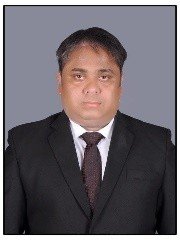
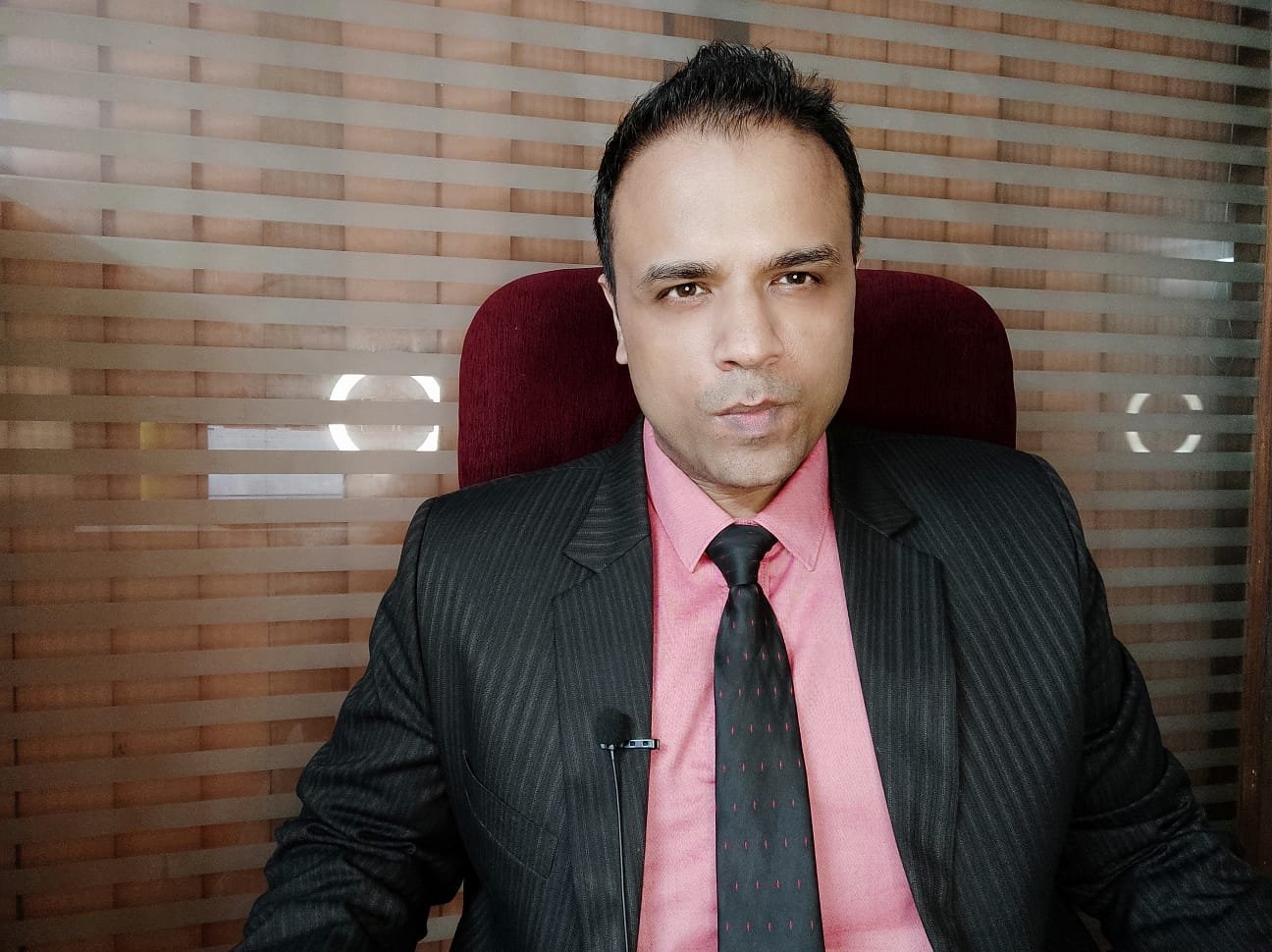
Mastering the Mind: Navnit Thapar’s Evidence-Based Path to Managing Anxiety and Worry
A Journey Towards Emotional Balance
In a world shaped by constant notifications, professional pressure, interpersonal challenges and uncertainty, stress and anxiety have become increasingly common experiences. Persistent worry can affect mental clarity, sleep, energy and overall quality of life, making it important to develop practical ways of understanding and managing anxious thoughts.
In this landscape, Navnit Thapar, a Cognitive Behavioral Coach based in Mumbai, focuses on helping individuals understand patterns of worry and develop practical strategies for managing anxiety. His approach brings together cognitive and behavioural principles, relaxation practices and actionable tools designed to help people build greater emotional awareness and resilience.
Understanding Anxiety and Worry
Anxiety is a natural response that can help the mind and body respond to perceived threats. However, when the internal alarm remains active for extended periods, persistent worry and stress can become difficult to manage.
According to Navnit Thapar's approach, worry can often become connected with an attempt to gain control over situations that remain uncertain. Learning to tolerate uncertainty and recognise unhelpful thought patterns can therefore become an important part of anxiety management.
“Worry is frequently a subconscious attempt to exert control over the uncontrollable. By training the brain to tolerate uncertainty and reframe intrusive patterns, we strip anxiety of its power over our well-being.”
For Thapar, understanding how anxious thinking works is an important step towards developing healthier responses to stress and worry.
An Evidence-Based Approach
What distinguishes Navnit Thapar's work is his focus on an integrative, practical and empathetic approach to anxiety management. Rather than treating every individual in exactly the same way, his methodology recognises that people's psychological needs and life circumstances can differ.
His approach incorporates several key strategies:
Cognitive Restructuring: Identifying unhelpful thinking patterns, including catastrophic thinking and all-or-nothing perspectives, and working towards more balanced and grounded ways of viewing situations.
Somatic and Physiological Regulation: Using practices such as breathwork and progressive muscle relaxation to support physiological relaxation and help the body move towards a calmer state.
Mindfulness and Cognitive Defusion: Learning to observe anxious thoughts as thoughts rather than automatically treating them as facts.
Behavioural Exposure: Gradually confronting avoided triggers in a systematic manner, with the aim of developing greater confidence and reducing patterns of avoidance.
Together, these techniques form part of a broader framework for managing stress and anxiety in everyday life.
Practical Tools for Managing Anxiety
A major focus of Navnit Thapar's work is making anxiety-management strategies practical and accessible. Through his online platform, he provides resources aimed at helping individuals apply psychological concepts to real-life situations.
His resources focus on areas such as how to reduce anxiety and worry, anxiety and worry relief, stress and anxiety management techniques, relaxation techniques for stress and anxiety, and practical exercises for dealing with difficult thought patterns.
The approach is centred on application rather than theory alone. By learning techniques that can be practised in everyday situations, individuals can begin developing greater awareness of their emotional responses and more constructive ways of responding to stress.
Supporting Different Needs
Anxiety and stress can affect people in different ways, and effective coping strategies may need to reflect individual circumstances. Thapar's work includes resources addressing stress and anxiety worksheets and anxiety worksheets for teens, providing structured exercises that can support reflection and practical learning.
Such tools can help individuals identify patterns in their thoughts and responses, understand sources of stress and practise techniques intended to encourage greater emotional regulation.
From Worry to Greater Self-Awareness
An important part of Navnit Thapar's philosophy is moving beyond simply trying to eliminate every anxious thought. Instead, his approach focuses on developing the ability to understand thoughts, respond to them differently and build greater tolerance for uncertainty.
This perspective encourages individuals to become active participants in their own emotional well-being. Rather than remaining trapped in cycles of worry, they can learn to recognise patterns, practise appropriate techniques and gradually develop greater confidence in handling challenging situations.
The Vision of Sustainable Inner Peace
For Navnit Thapar, anxiety management is not simply about experiencing fewer moments of stress. It is about building the skills required for mental clarity, emotional balance and sustainable well-being.
By connecting cognitive behavioural principles with relaxation techniques, mindfulness, behavioural strategies and practical resources, his work seeks to bridge the gap between psychological concepts and everyday life.
His vision is one in which individuals can better understand their minds, respond to uncertainty with greater resilience and develop practical tools for navigating stressful periods.
Empowering the Mind
The journey towards managing anxiety is rarely about finding a single solution. It is about understanding patterns, developing awareness and consistently practising healthier responses.
Through his work as a Cognitive Behavioral Coach, Navnit Thapar seeks to make anxiety and stress management more practical and approachable. His emphasis on evidence-based cognitive and behavioural strategies, relaxation techniques and accessible exercises reflects a broader belief that people can develop meaningful skills for navigating worry and emotional challenges.
His message is ultimately one of empowerment: understanding the mind can be the beginning of changing how we respond to life's uncertainties.
And sometimes, the first step towards inner peace is simply learning to pause, observe the thought, and realise that not every thought deserves to control the direction of our lives.